Eye on Payments 2026
The Evolving Consumer Reshaping the Credit Union Experience
As the payments landscape continues to evolve, here’s how consumers expect their financial experiences to adapt.

As the payments landscape continues to evolve, here’s how consumers expect their financial experiences to adapt.
It’s an ever-evolving payments landscape, but one thing is clear: consumers increasingly expect their financial experiences to adapt to them. They want the freedom to choose how they pay, the flexibility to move between physical and digital experiences and the ability to take advantage of new technologies when those technologies provide meaningful and timely value.
Throughout 2026, inflation, elevated prices and the broader economic outlook have put pressure on many household budgets – but consumer spending has remained resilient. At the same time, rapid advancements in areas like artificial intelligence and digital assets are introducing new opportunities and questions about the future of payments, making it increasingly important for financial institutions to understand not only how consumer behaviors are changing today, but where they may be headed next.
57% of consumers use AI at least a few times per month, but how many are comfortable sharing payment information with an AI tool?
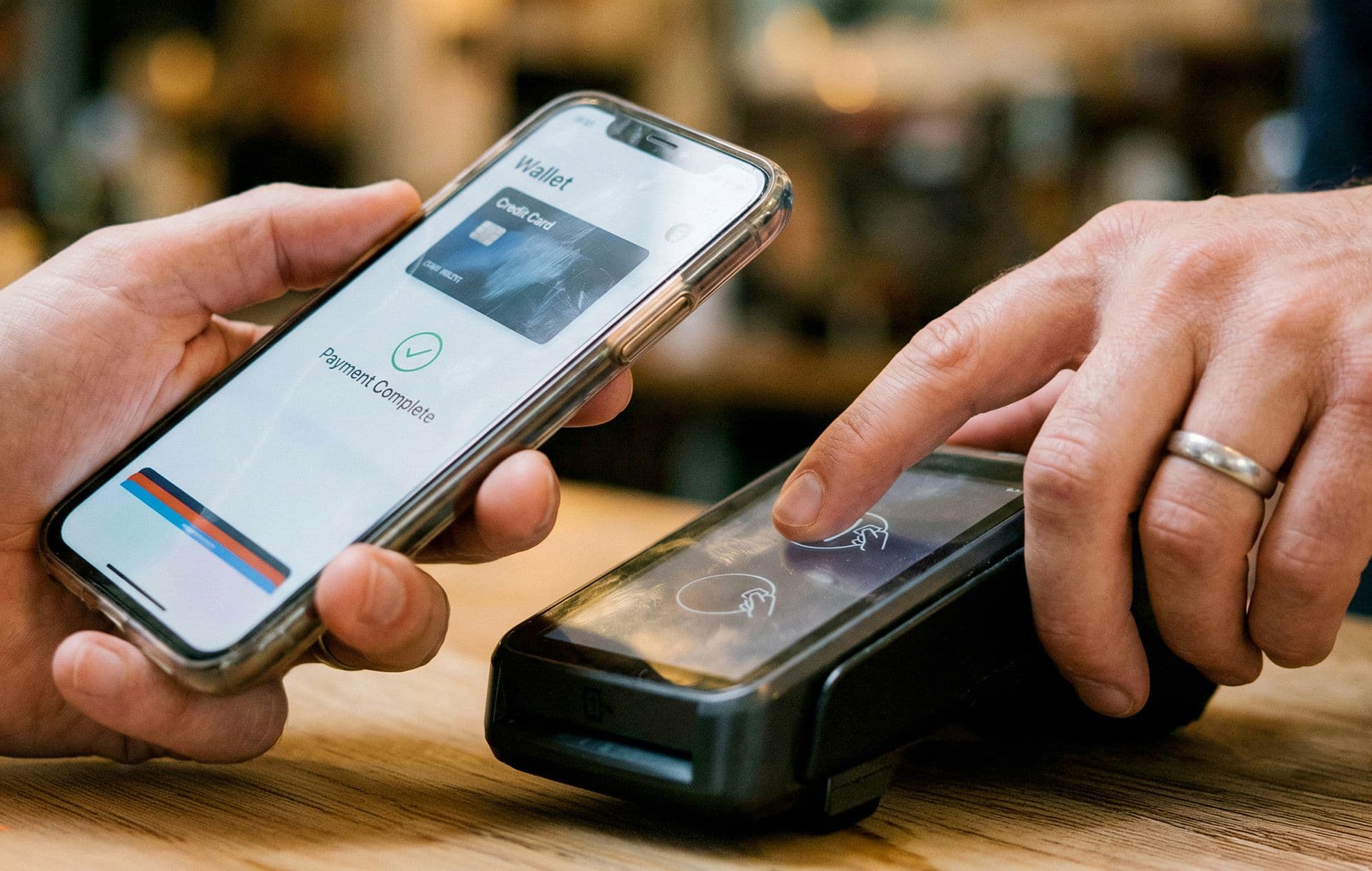
Digital wallets have emerged as the second-most preferred way to pay. What does this growing preference mean for credit and debit issuers?
53% of Buy Now, Pay Later users say it makes larger purchases feel more affordable, but what else is driving adoption?